Efficient Debit Card Processing: Understanding Payment Dynamics

Debit Card Processing
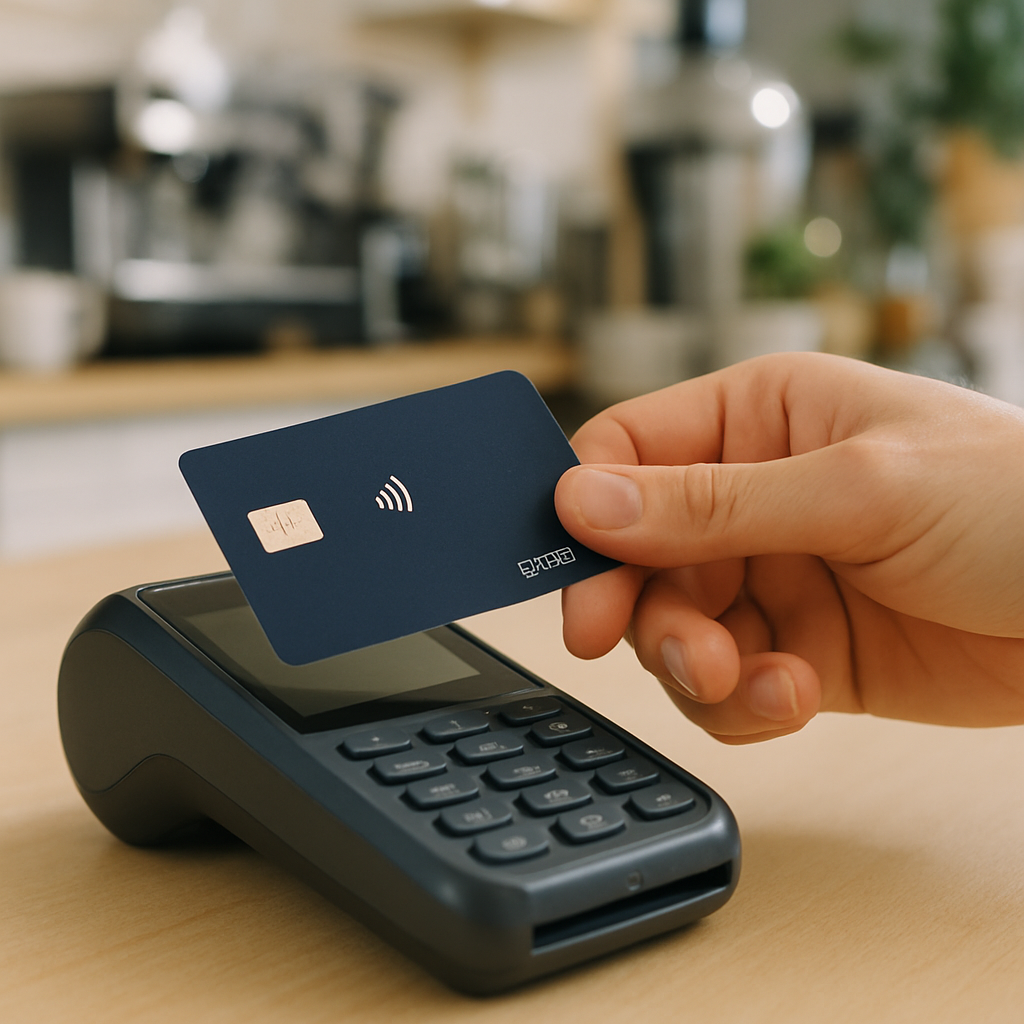
You tap your card, the machine beeps, and two seconds later, you’re walking out with your coffee. In those brief moments, your data raced across the world to negotiate with three different gatekeepers. This high-speed exchange is the core of debit card processing, yet the "Approved" message is just a digital promise, not the immediate movement of cash.
Behind every swipe sits a silent team: you, the merchant, your bank, and the payment gateway. Known as the "Four-Party Model," these entities work together to verify your identity instantly. It functions like a digital handshake, checking your balance before you even leave the counter.
While approval is fast, the actual funds transfer takes days. This lag creates the "pending" status on your app, separating instant authorization from final settlement in the debit card payment process.
Meet the Four Digital Gatekeepers: Who Actually Handles Your Debit Data?
When you buy a $4 latte, it feels like a direct exchange between your wallet and the coffee shop. In reality, the shop—technically called the Merchant—cannot talk directly to your bank. Instead, they rely on a high-speed relay team to verify the funds and eventually move the money.
The journey begins when the store’s data travels to the Merchant Acquirer. Think of this as the store’s financial messenger; their primary role involves collecting transaction details and ensuring the merchant gets paid. From there, the signal hits the Card Network (like Visa or Mastercard). These are not banks, but "Traffic Controllers" that build the digital roads allowing the store's bank to find yours.
Your personal bank is the final stop, known as the Issuing Bank. Acting as "The Vault," they check your balance and confirm your identity before authorizing the expense. If you have the funds, they send a digital "thumbs up" back through the chain in milliseconds.
To visualize the team behind every swipe:
- The Merchant: The store initiating the sale.
- The Acquirer: The store's partner that collects the payment data.
- The Network: The connector routing traffic between banks.
- The Issuer: Your bank that holds your money and approves the request.
Now that we know who is listening, does it matter how you ask them to pay?
PIN vs. Signature: Why the 'How' Matters for Your Security and the Store's Wallet
When the terminal asks for a PIN or signature, it isn't just a preference check; it decides which digital highway your transaction travels. Entering your PIN routes the payment through a direct debit network, similar to using an ATM, which usually costs the store less in fees. Alternatively, running the card as "credit" uses major networks like Visa or Mastercard, treating the PIN vs signature authentication choice as a signal to prioritize specific consumer fraud protections over the merchant's processing speed.
Physical security relies heavily on the embedded chip, which generates a unique, one-time code for every purchase so your actual card data remains hidden. While a PIN verifies you are the one holding the card, signature-based transactions often depend on backend online payment security protocols to silently analyze your spending patterns for fraud. This means the "Credit" option is safe even without a password, as the network is actively watching for unusual activity.
Regardless of which button you press, the "Approved" message is only a preliminary agreement, not the final movement of cash. Your money is now reserved, but it hasn't actually left the building yet. This delay creates the "pending" status you see on your app, waiting for the massive behind-the-scenes exchange that happens while the world sleeps.
The 'Midnight Handover': Why Your Bank App Says 'Pending' for Days
That hovering "pending" label in your banking app exists because the instant beep at the register was only a digital handshake, not a cash transfer. The authorization step merely confirmed you have the funds and reserved them, effectively putting a temporary freeze on that money so you can't spend it twice.
Merchants, however, don't collect their money after every single coffee sale to avoid overwhelming the banking system. Instead, their integrated payment software solutions hold all the day's digital promises in a queue. Once the store closes, the system bundles these transactions into a single group and sends them off in one massive data packet.
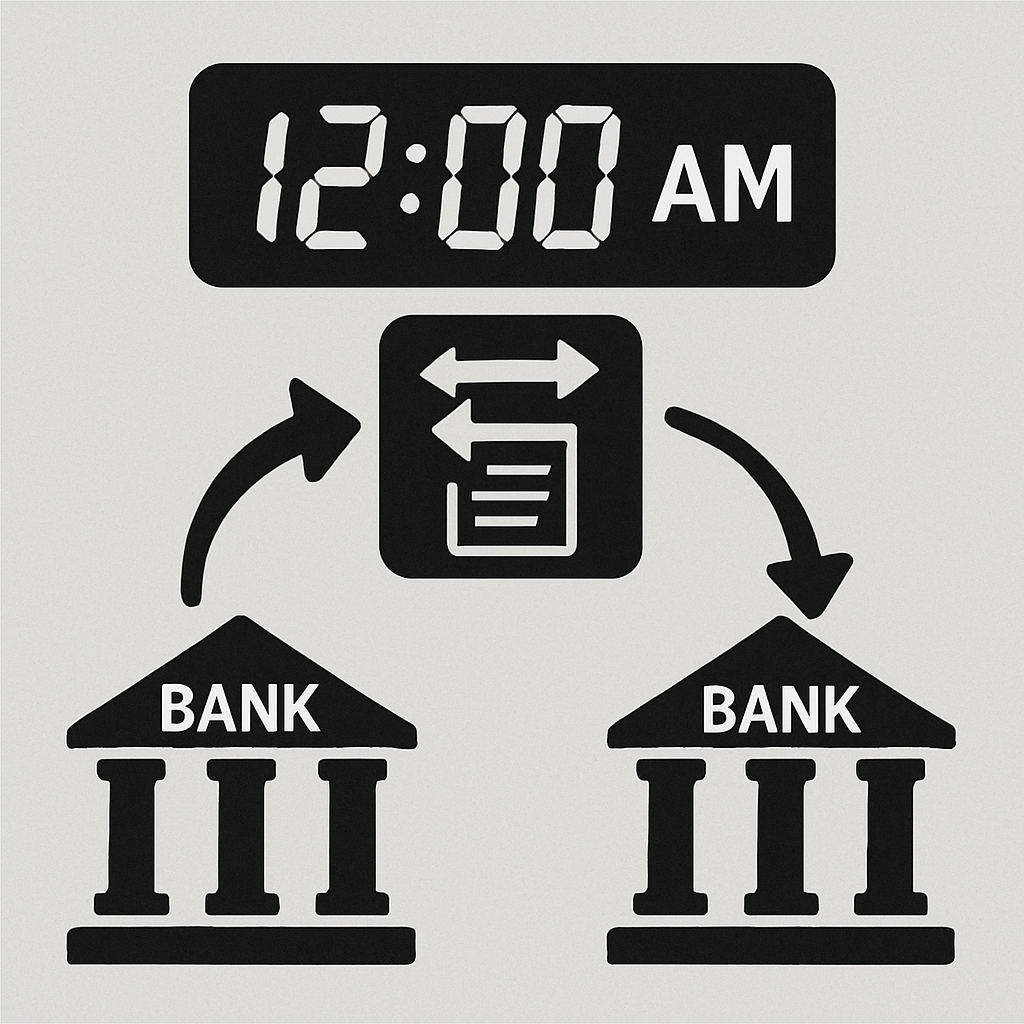
This triggers the clearing and settlement process, a nightly relay race that turns digital data into hard currency through three specific stages:
- Batching: The merchant sends the day's total sales file to their processor.
- Clearing: The networks (like Visa or Pulse) sort the transactions and route them to the correct banks.
- Settlement: Your bank finally releases the funds, transferring the actual cash to the merchant's account.
Since this financial shuffling often relies on standard banking hours, purchases made on Friday might not fully post until Tuesday. Once the dust settles and the cash lands in the store's account, the merchant faces a final hurdle: paying the toll for using the digital highway, a cost calculation known as the "Interchange-Plus" model.
Decoding the Merchant Fee: How the 'Interchange-Plus' Model Protects Business Profits
Every time a card reader beeps, a small fraction of the sale vanishes before it reaches the shop owner. This deduction acts like a digital toll paid to the card-issuing bank for the privilege of using their financial highway, a cost officially called the interchange fee. These rates fluctuate based on the specific type of card being swiped, with premium rewards cards generally carrying higher tolls than standard debit cards.
Beyond this base toll, the payment processor adds a service fee known as the markup. In the transparent interchange-plus pricing model, this cost is often measured in basis points. This structure separates the non-negotiable bank costs from the processor's profit, ensuring merchants can see exactly where their money goes rather than guessing at hidden fees.
Simpler payment systems often bundle card network interchange rates and markups into a single flat percentage, which is convenient but frequently more expensive. By unbundling these costs, businesses avoid paying a premium price for a cheap debit transaction just to maintain a simple billing statement.
While precise math protects business profits, the system must also defend the sensitive numbers printed on the plastic. The final challenge isn't about cost, but about how digital vaults and encryption standards stop data thieves from intercepting your details.
Shielding Your Data: How PCI DSS and Mobile Wallets Stop Digital Thieves
Trust isn't accidental; it’s built on strict rules that every shop must follow to keep your financial identity safe. Just as restaurants need health inspections, businesses must meet PCI DSS compliance standards to handle your money. These regulations ensure that merchants never store your CVV code or unencrypted data, making it much harder for thieves to break into the digital vault.
Modern tools take this protection further by hiding your real details entirely. When accepting contactless mobile wallet payments through Apple Pay or Google Pay, your phone never actually shares your real card number. Instead, it sends a "digital stunt double"—a random code called a token—so even if a hacker intercepts the signal, they steal useless numbers rather than your account info, significantly reducing transaction fraud.

A secure transaction relies on three invisible walls working in harmony:
- Tokenization: Swapping your real card number for a temporary, useless code.
- Encryption: Scrambling the data so it looks like gibberish while traveling across the internet.
- Compliance: Enforcing strict safety checklists for every business involved.
With these shields active, the complex machinery behind the scenes ensures your money moves safely from your app to the merchant's bank.
Putting It All Together: Becoming a Savvy Digital Consumer
You no longer need to view debit card processing as a mysterious black box. Instead of just hearing a beep, you now recognize the high-speed digital conversation happening between the merchant's point of sale system features and your bank. That split-second authorization is actually a secure global relay race ensuring your funds exist and your identity remains protected.
Take this perspective to your banking app. When you see a "Pending" label, you now understand it is simply the settlement phase catching up to the initial approval. You can scan statements with confidence, easily distinguishing normal delays from actual errors. The next time you tap to pay, you will appreciate the invisible journey that secures your purchase.